SASSA Unveils R3,000 Grant Starting 5 August – Transformative Monthly Support Announced
SASSA’s New R3,000 Grant Starting 5 August: In a significant move aimed at uplifting the socio-economic status of many South Africans, the South African ...

Priya Sachdeva

Urgent Alert from SASSA: Update Your Details in 3 Days to Avoid July 30 Cut-Off
Urgent Alert from SASSA: In a recent development, the South African Social Security Agency (SASSA) has issued an urgent directive for beneficiaries to update ...
Priya Sachdeva

Massive SASSA Payout Confirmed: R4,520 Plus R1,980 Bonus Arriving on 26 July
Massive SASSA Payout Confirmed: R4,520 Plus R1,980 Bonus Arriving on 26 July: South Africans are eagerly anticipating a significant financial boost as the South ...
Priya Sachdeva
SASSA Beneficiaries to Receive R9,200 Windfall: Payment Split Starts July 24th
SASSA Beneficiaries to Receive R9,200 Windfall: Beneficiaries of the South African Social Security Agency (SASSA) are in for a significant financial uplift as they ...
Priya Sachdeva
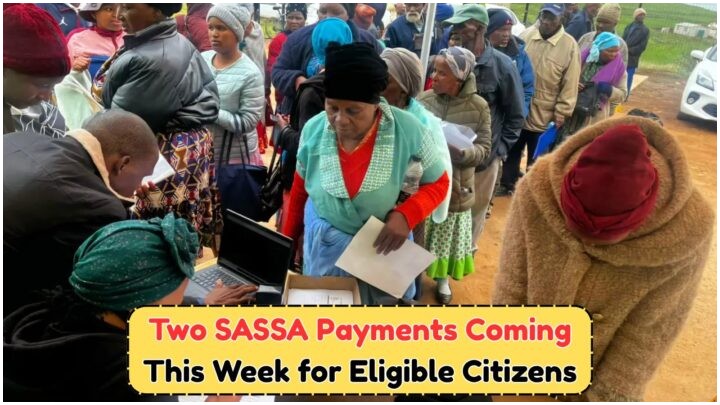
SASSA Announces Double Payout: Two Payments Begin on 25 July
SASSA Double Payout Announcement: The South African Social Security Agency (SASSA) has made an exciting announcement for its beneficiaries. Starting 25 July, a special ...
Priya Sachdeva
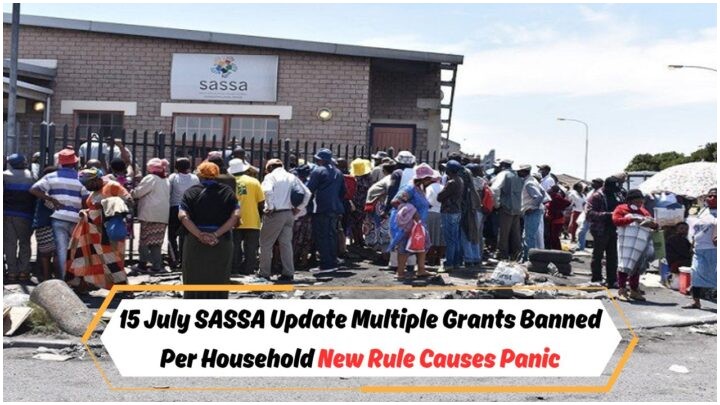
SASSA’s New Policy from 15 July: Families Risk Penalties and Grant Cancellations with Multiple Recipients!
SASSA’s New Policy from 15 July: Families Risk Penalties and Grant Cancellations with Multiple Recipients!: The South African Social Security Agency (SASSA) has announced ...
Priya Sachdeva

From 15 July: Discover How SASSA Beneficiaries Will Get an Extra R130 Monthly!
From 15 July: Discover How SASSA Beneficiaries Will Get an Extra R130 Monthly Understanding the SASSA Beneficiaries’ Extra R130 From 15 July: Discover How ...
Priya Sachdeva

SASSA Announces Exciting July-August Grant Updates: Verification and Bonus Details Unveiled!
SASSA July-August Grant Updates: The South African Social Security Agency (SASSA) has unveiled a series of significant updates regarding the grant distribution for July ...
Priya Sachdeva

Discover How to Access the R500 Monthly Electricity Boost for SASSA Beneficiaries – Eligibility and Claim Guide Inside!
R500 Monthly Electricity Boost for SASSA Beneficiaries: In South Africa, many households face the challenge of managing limited resources, with electricity costs being a ...
Priya Sachdeva

Discover the Full SASSA Payment Schedule for July 2025: When to Expect Your R350, Pension, and Child Grants
Discover the Full SASSA Payment Schedule for July 2025: As South Africa gears up for July 2025, many citizens are eagerly anticipating the release ...
Priya Sachdeva